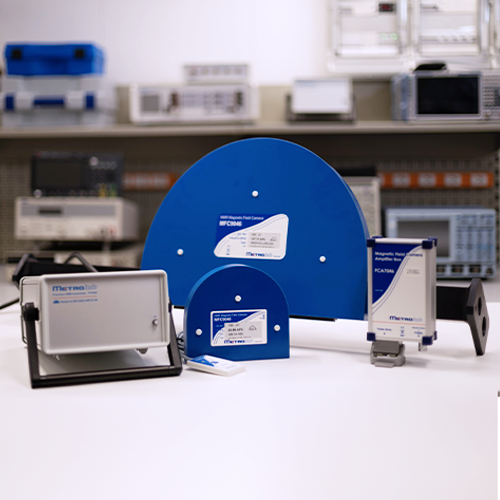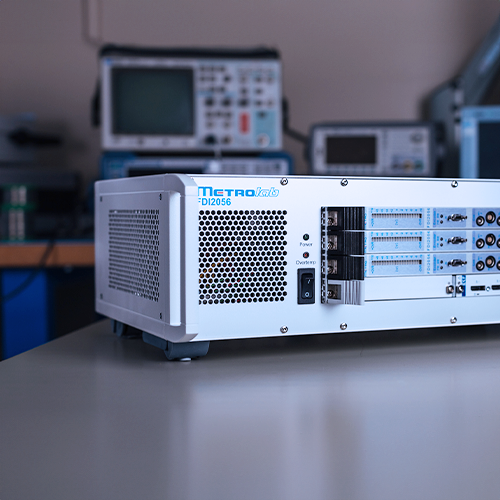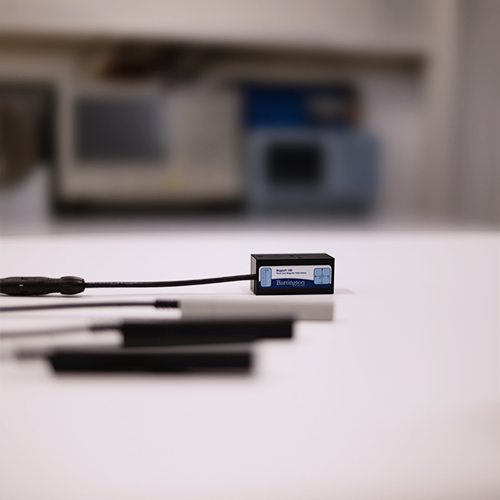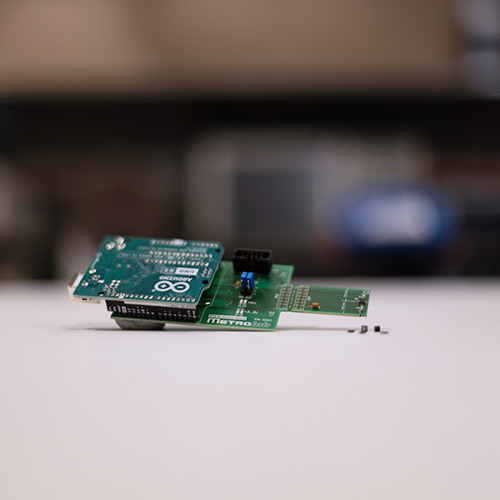




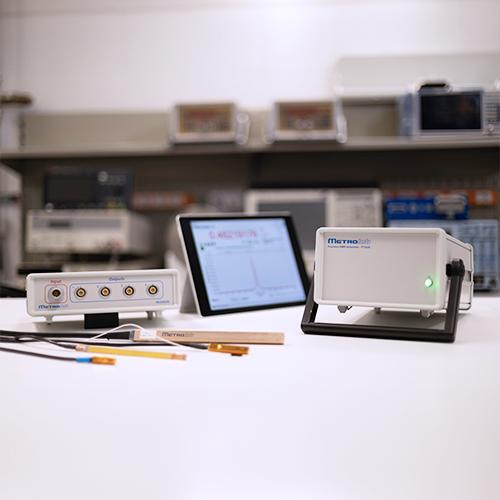
Besides NMR, Metrolab has historically been especially known for its integrators, primarily in the accelerator world. The many applications and tricks of this powerful technology require much more than a simple web page, but we want to at least provide an overview of some of the basics.
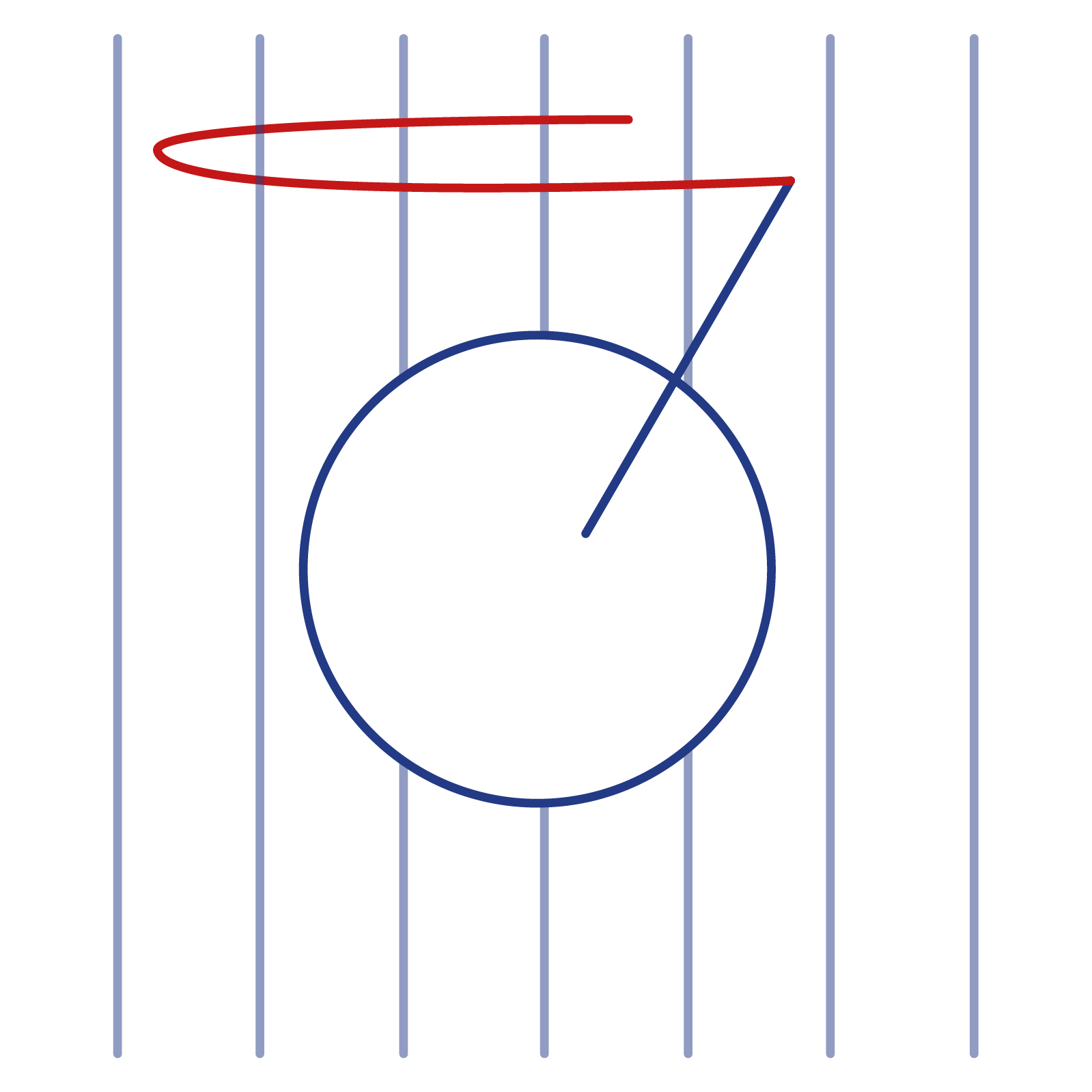
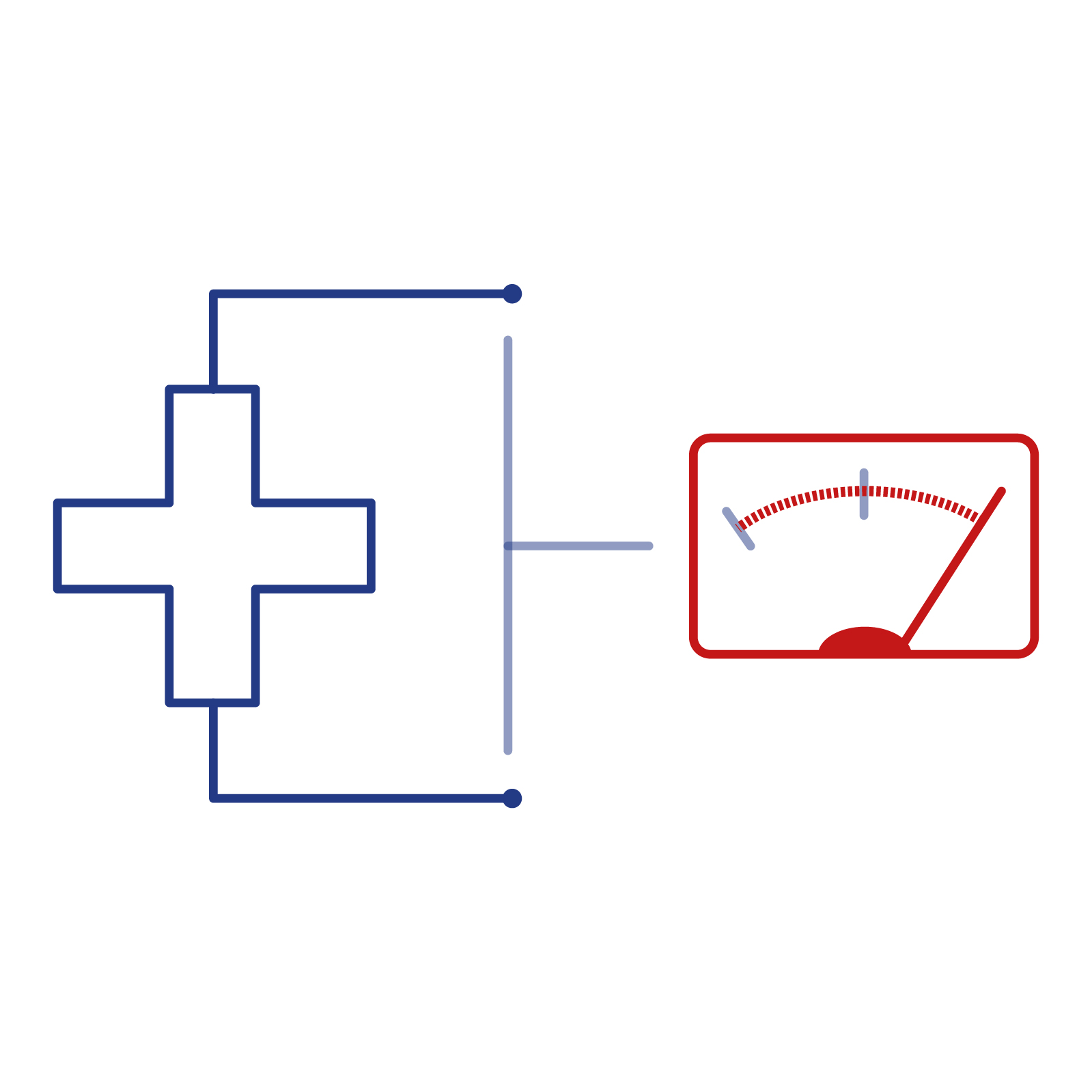
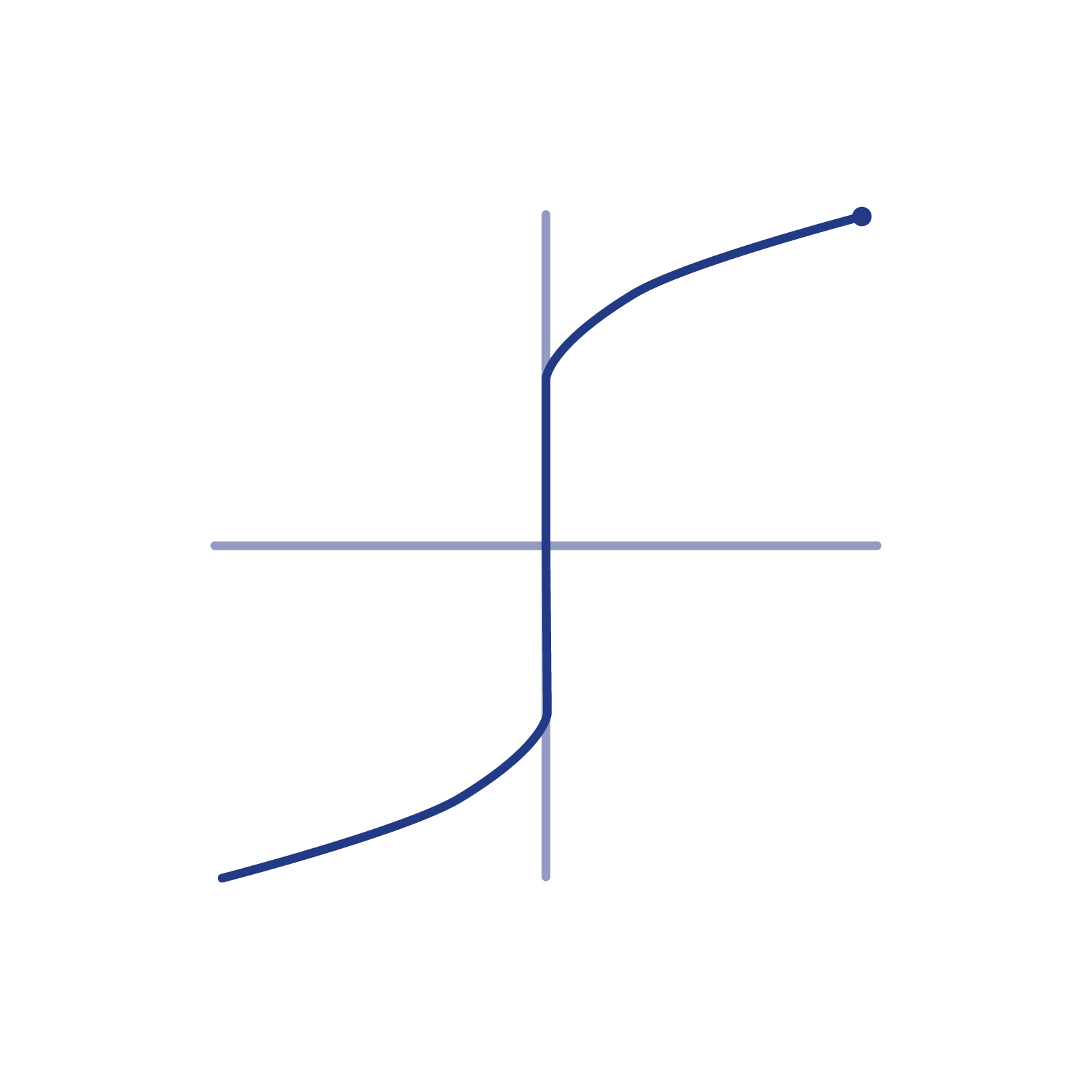
Moving a coil in a magnetic field induces a voltage proportional to the change in flux seen by the coil. Similarly, a varying field induces a voltage on a stationary coil. These principles have been understood and exploited since the 19th century to precisely measure, for example, the earth's magnetic field. Fluxmeters also continue to play an important role in the measurement of the hysteresis of magnetic materials and in magnet design, for example to determine the losses in a magnetic circuit.
The use of coils is limited only by the imagination. How do you measure the flux density inside a solid piece of iron? Certainly not with a Hall sensor - try a search coil tightly wrapped around the block. How about the field induced by an MRI gradient coil, with frequencies in the MHz range? Again, you'll have better luck with a single turn of wire than with the most elaborate Hall instrument.
Although coils come in all shapes and sizes, a few standard configurations cover many applications:
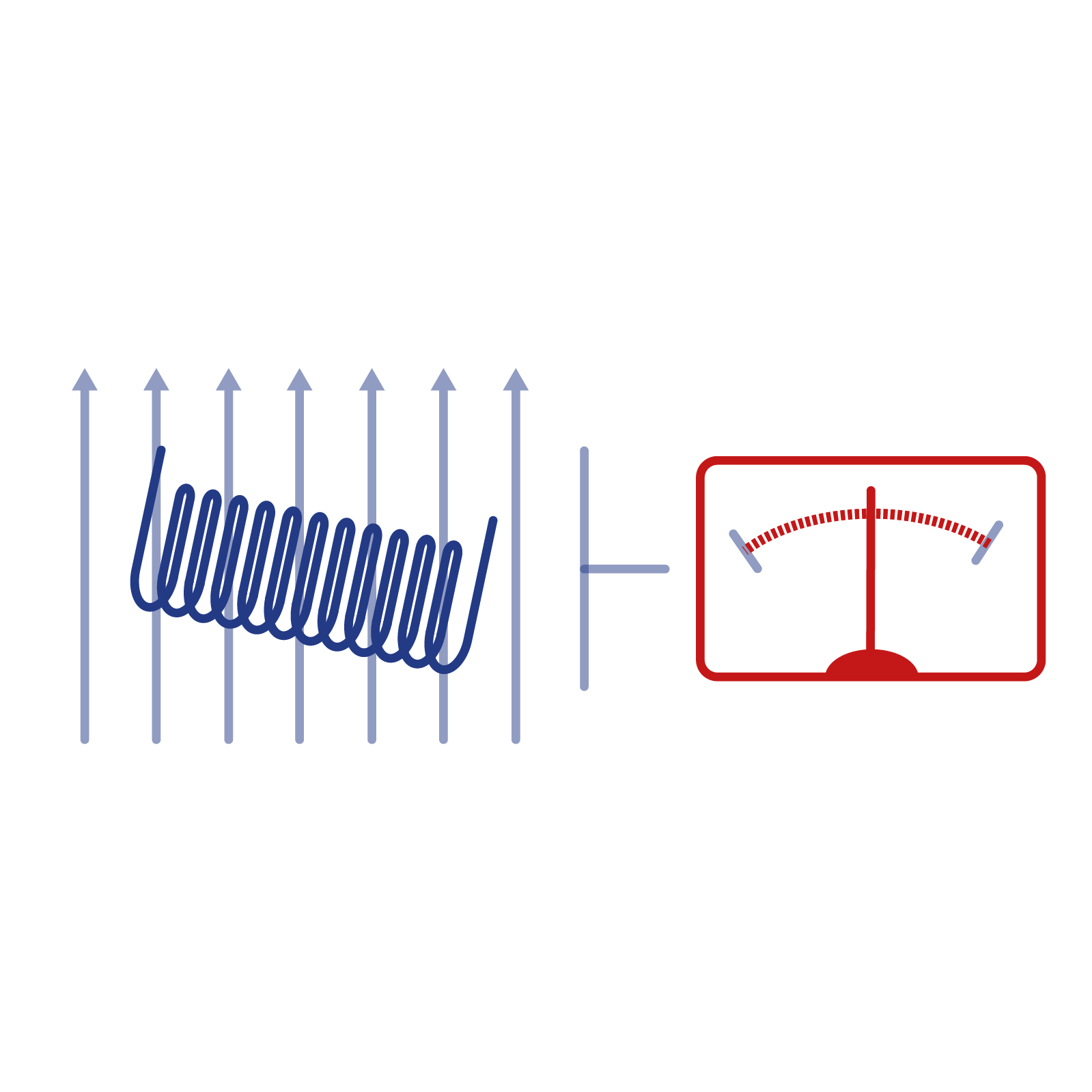
Imagine two coils, side by side, identical except one is wound clockwise and the other counter-clockwise, wired in series. A global field change, seen by both coils, will generate a negative voltage in one coil and positive in the other; the one coil will cancel out ("buck out") the other and yield a zero total response. If, however, the field changes more in one coil than the other, a non-zero voltage is generated. In fact, this arrangement provides a direct measure of the field gradient. Since the potentially large common term that could swamp our integrator is cancelled out, bucking coils allow field gradients to be measured with great precision.
Since the voltage induced on the coil is proportional to the flux change, we need to integrate the voltage to obtain the change in flux:

There are two commonly used approaches to building an integrator:
As described elsewhere, Metrolab uses a third approach, originally developed at the CERN. This approach combines the best elements of a true analogue digitizer with an inherently digital design.
The magnetic flux is defined as the integral of the field strength B over the area of the coil A:

If the field strength is constant over the area of the coil, the integrated voltage gives the change in field strength B:

where A is the effective area of the coil and theta is the angle between the coil's axis and the field.
To precisely measure magnetic field strengths with a fluxmeter, it is therefore essential to know the effective area of the coil with a great deal of precision. This is usually achieved by calibrating the coil in a known magnetic field. For measurements with 100 ppm or better precision, this requires an NMR-controlled or -stabilized reference magnet.