



Metrolab

Home > Products > Single-point

Single point measurementOffer single point

Precision magnetic measurements: one specialty, three technologies

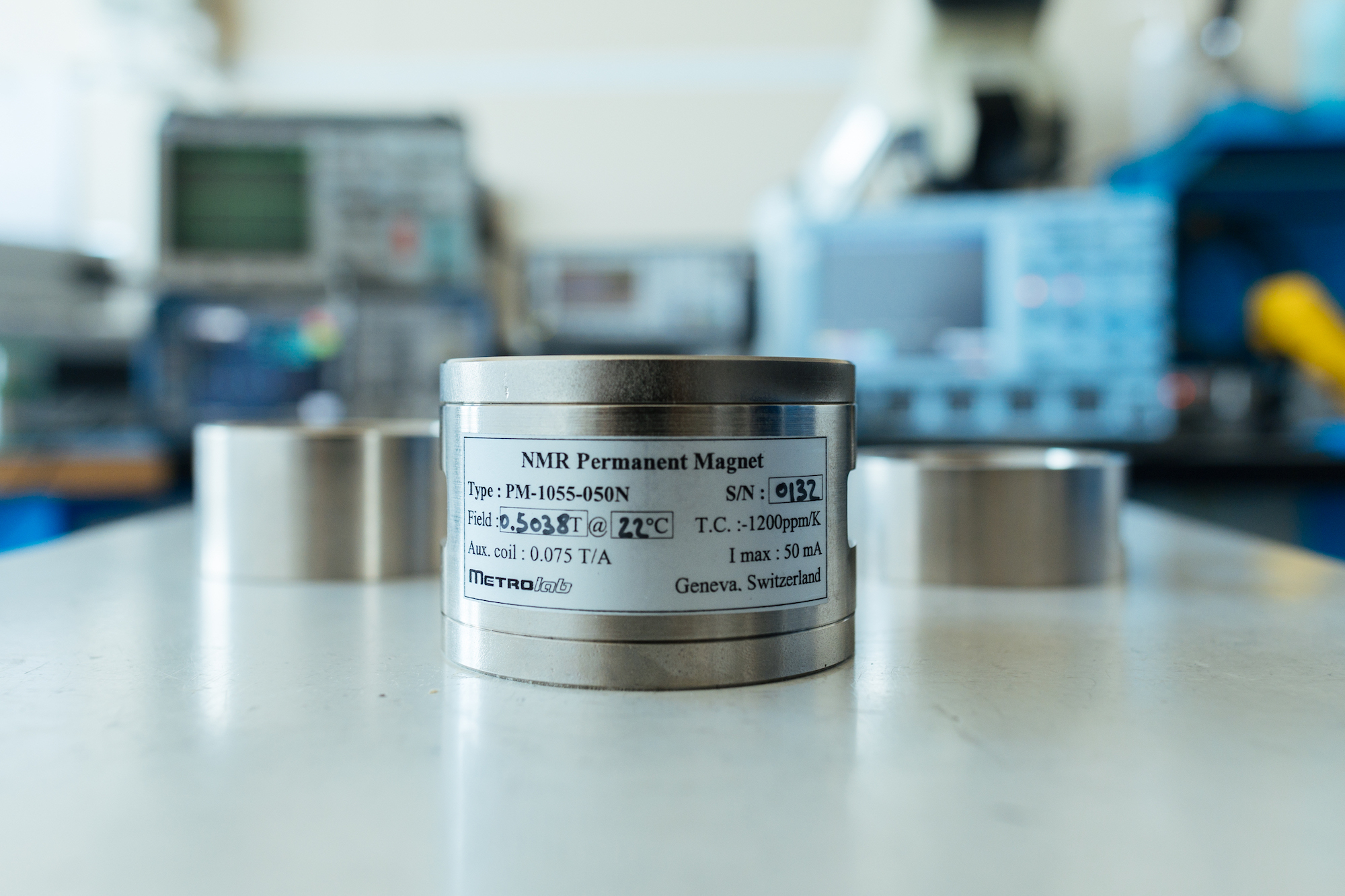
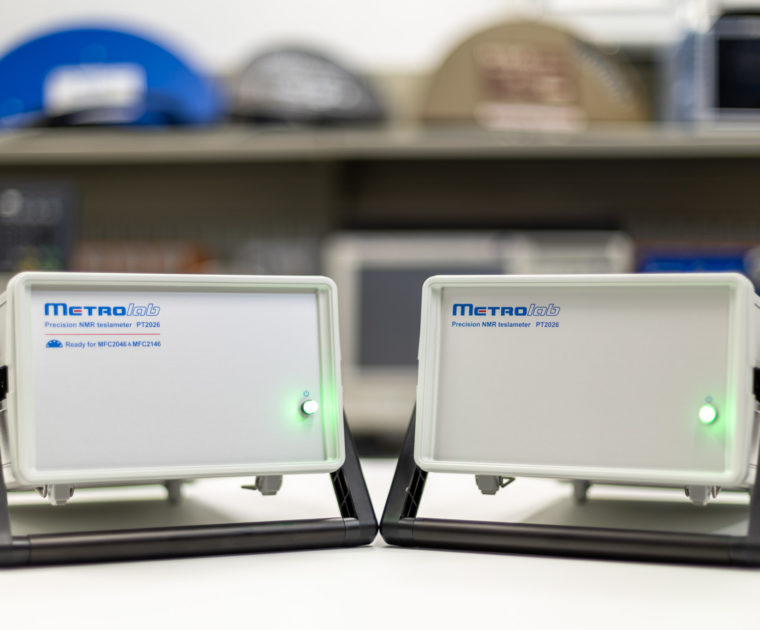
NMR Precision Teslameter: the ultimate in precision

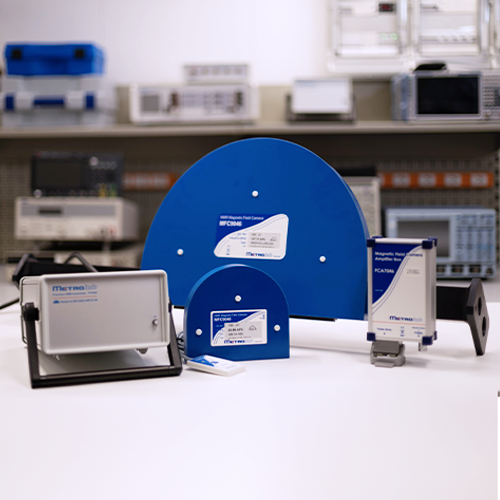
With a measurement resolution of better than 10 ppb (parts per billion), our NMR precision teslameters are the uncontested gold standard for magnetic measurement. Unlike many top-flight instruments, they are fully industrialized, robust and easy to operate. The nature of NMR measurement technology, however, restricts use to highly homogeneous, slowly varying fields, 43 mT or above.

Precision Digital Integrator: the ultimate in flexibility

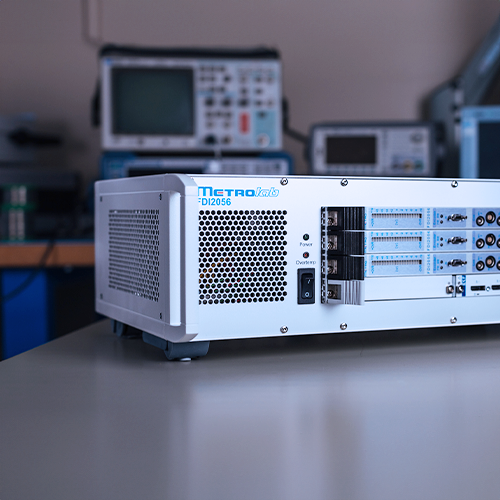
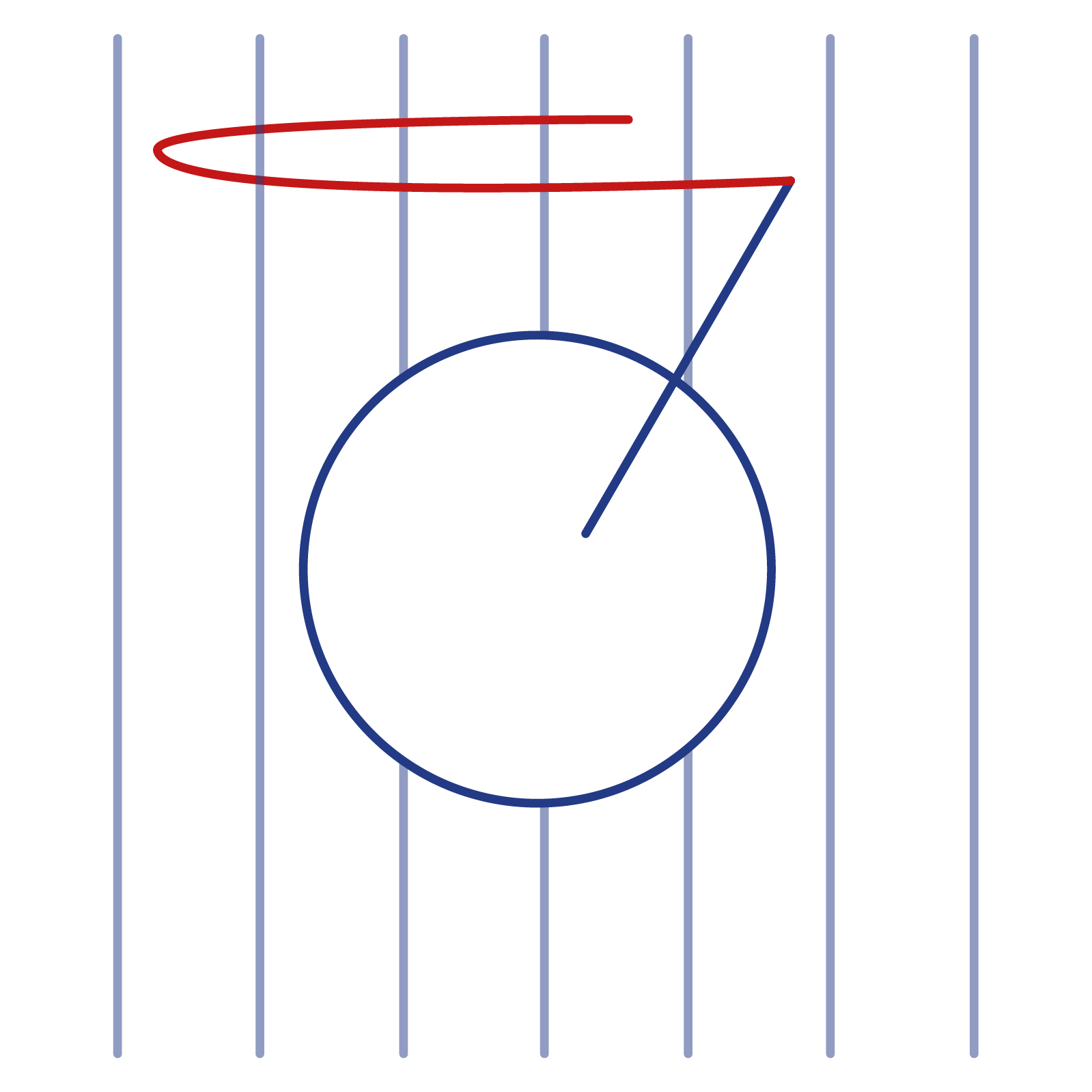
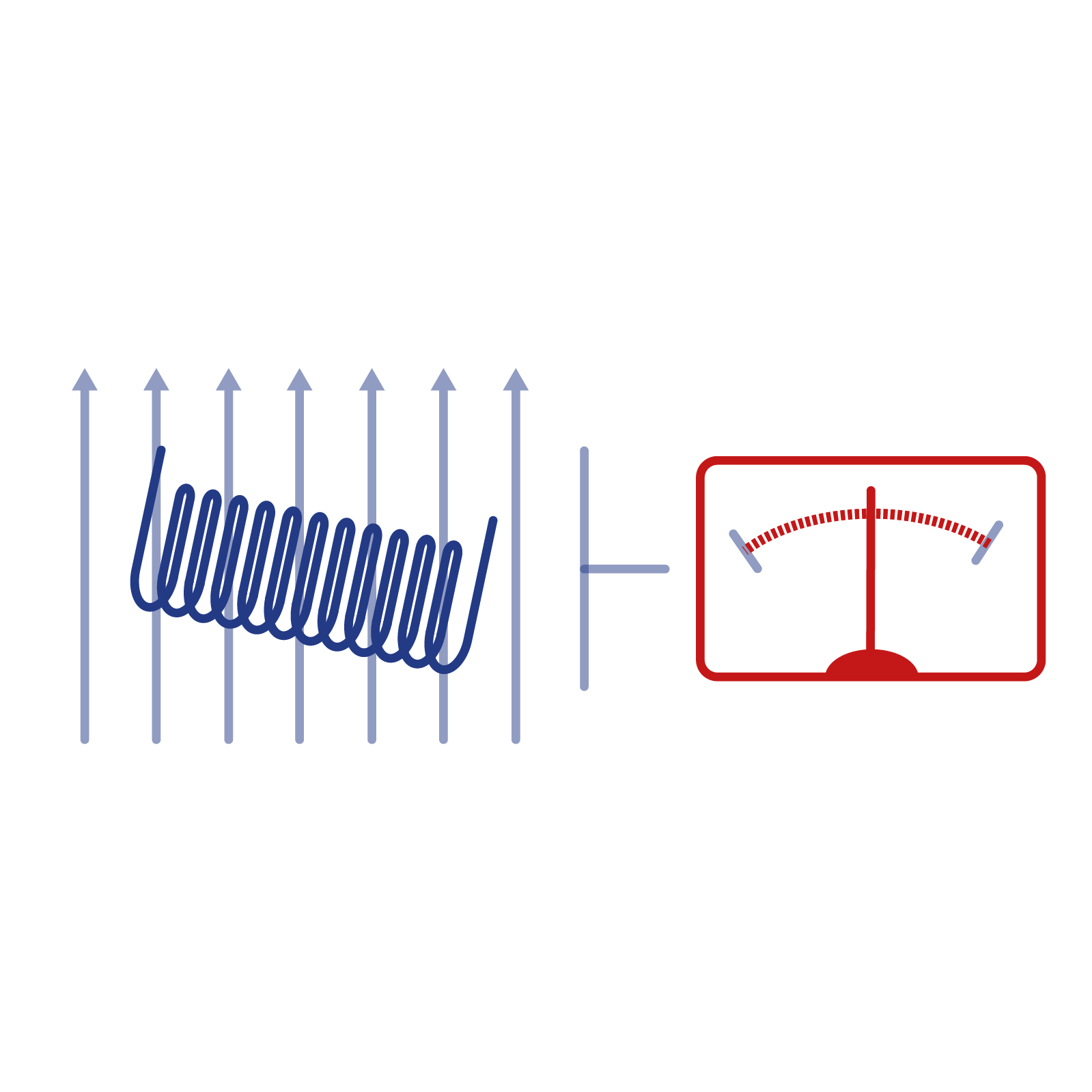
Moving coils and flip coils are amongst the oldest known techniques for measuring magnetic field strength. Combined with our Fast Digital Integrator, coils can achieve astounding precision, on the order of 10 parts per million. They are the most flexible magnetic measurement device available: DC or AC into the MHz range, adaptable for different field strengths simply by changing the number of turns, and able to measure a point or an integrated field. They do, however, require meticulous experimental technique, controlling motion, coil area, thermal expansion, bimetallic effects, etc.

Three-axis Handheld Magnetometer: the ultimate in convenience

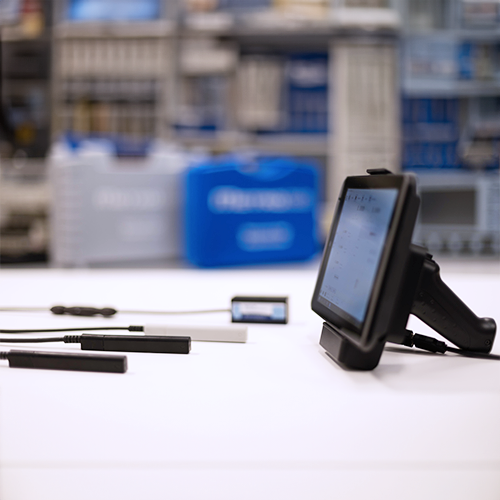
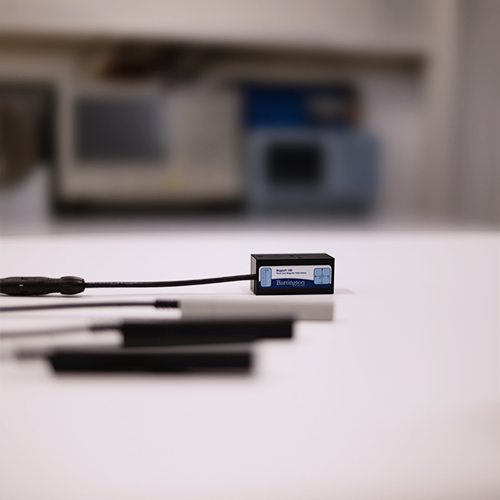
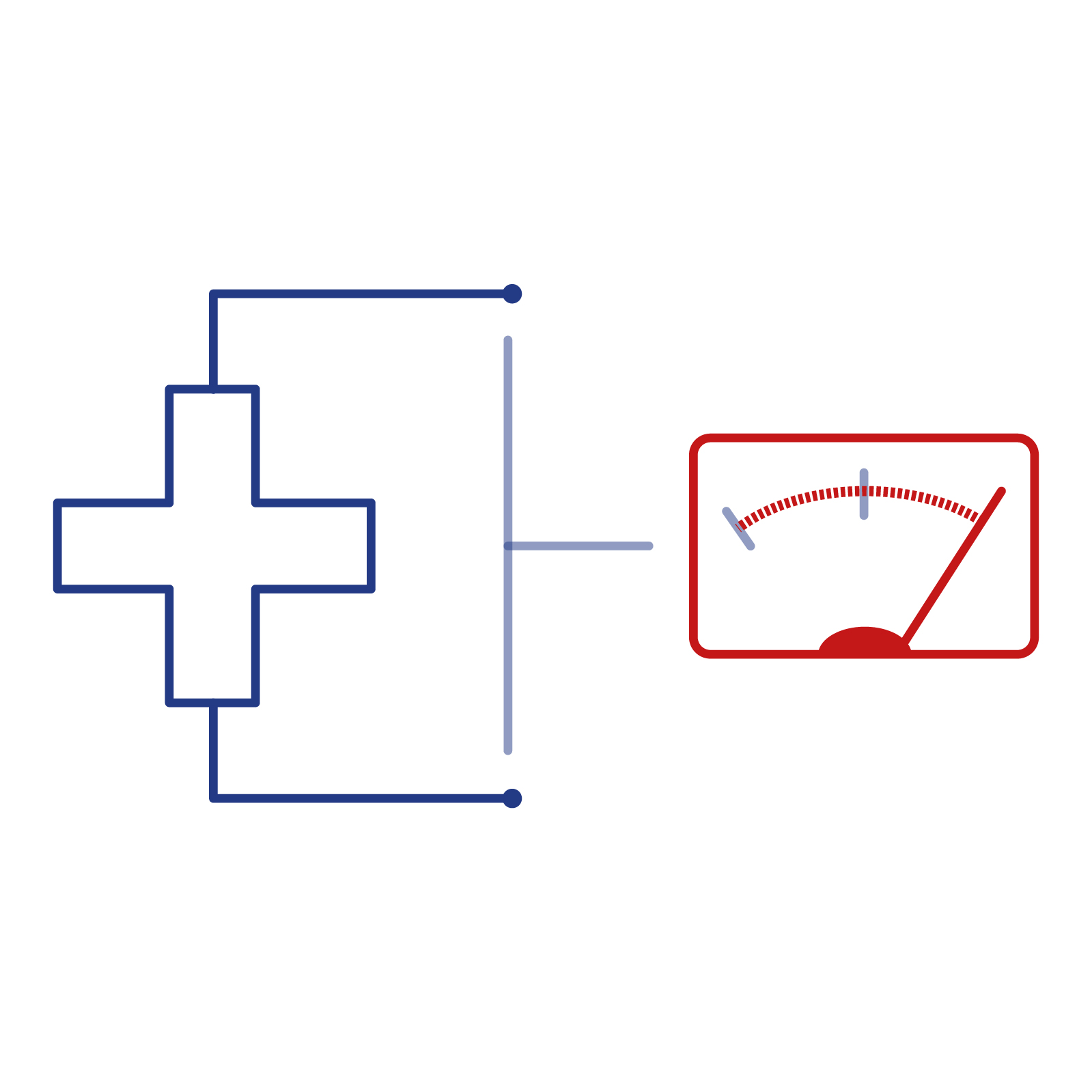
Instantaneous measurements and a simple voltmeter interface have made Hall magnetometers the instrument of choice for the vast majority of magnetic measurement applications. Measuring all three axes of the magnetic field removes an important source of error, namely angular positioning. Metrolab's rugged Three-axis Handheld Magnetometer, the only portable three-axis magnetometer in the world, is the ultimate general-purpose magnetometer. It automatically compensates for the Hall elements' temperature dependence, but, like all Hall instruments, it has limited precision and requires periodic calibration.


Top

Typical Applications

  • High-precision field measurement at a given location
  • Field monitoring
  • Calibration
  • Field regulation